
Dog Harness vs Collar: Why I Recommend Harnesses for Most Dogs
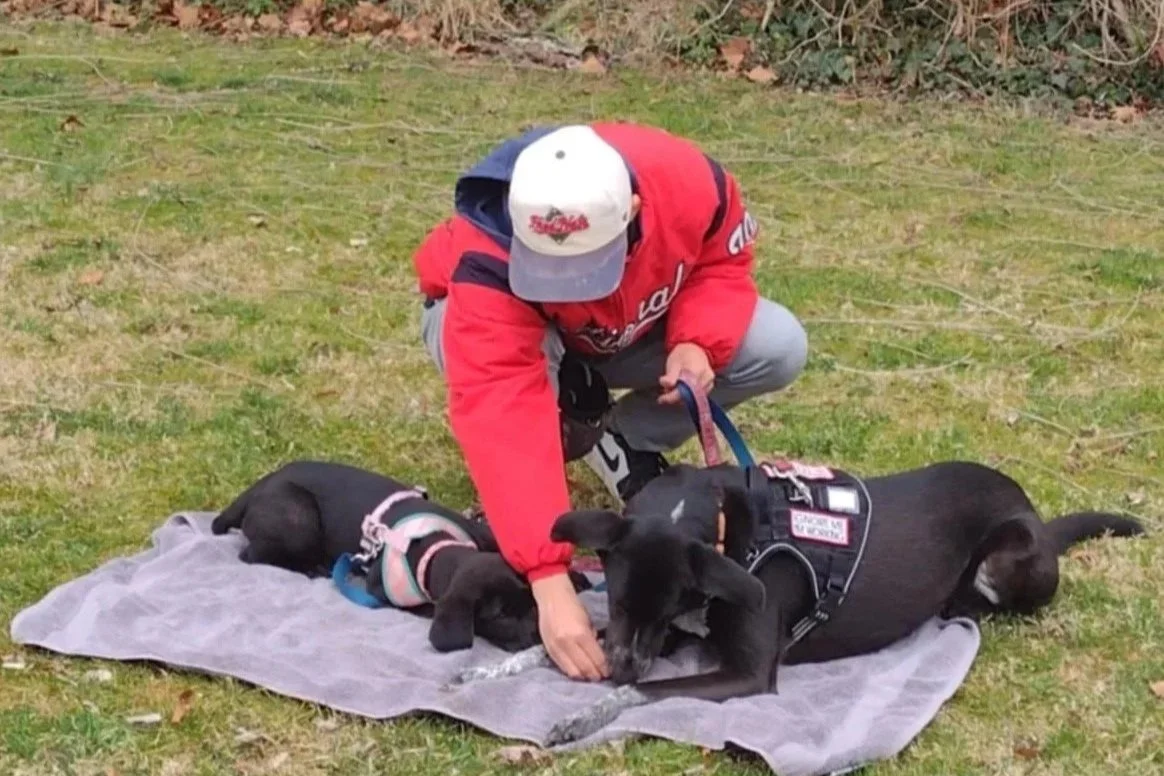
There is a question I get asked often, especially by students who have always used a flat collar: "Does it really matter what my dog wears on walks?"
It does. And I want to tell you why. Not to shame anyone for what they've been doing, but because understanding the reasoning changes everything. When you see the full picture, the harness stops feeling like a gear swap and starts feeling like a values statement.
First, Let's Talk About the Neck
A dog's neck is not built to absorb repeated or sustained pressure. It houses the trachea, the esophagus, the thyroid gland, major blood vessels, and a dense network of nerves, all concentrated in a relatively small and vulnerable space. When a dog pulls into a collar, even briefly, that pressure lands directly on all of it.
For dogs who pull consistently, or who hit the end of the leash hard when something startles them, the cumulative effect on that anatomy matters. Research in veterinary medicine has linked collar pressure to thyroid damage, eye pressure changes, and cervical spine issues. None of that is the outcome any of us want when we're just trying to take a nice walk.
A harness redirects that pressure to the chest and shoulders, areas that are much better equipped to handle it. It's that simple, and it's that important.
Harnesses Don't Cause Pulling. Let's Clear That Up.
One of the most persistent myths in the dog training world is that harnesses cause pulling. They don't. And I want to dismantle that idea gently but firmly, because it keeps a lot of dogs in collars that put them at risk.
Pulling is not a gear problem. Pulling is a value problem.
When a dog pulls, it's because the environment is more interesting and rewarding than you are. The smells, the squirrels, the other dogs, the patch of grass someone else's dog visited on Tuesday. All of it is calling to them, and their human at the other end of the leash hasn't yet become the best thing on the walk.
That's not a collar-versus-harness question. That's a relationship and reinforcement question. And it's one we can actually solve. Through games, through repetition, through building a genuine history of "being near my person is the most rewarding thing that happens to me on this walk." We'll come back to that.
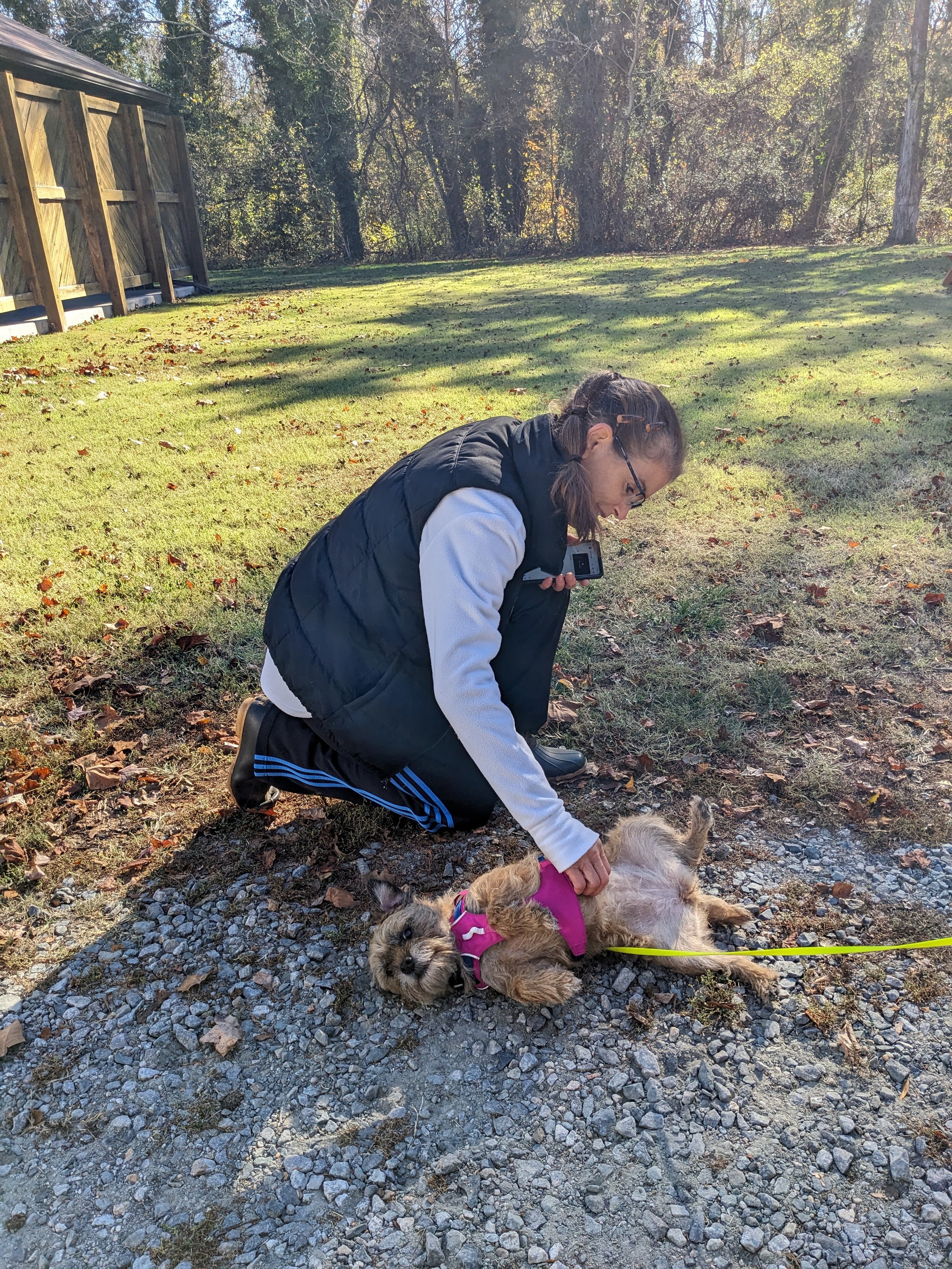
A Note on "No-Pull" Harnesses and Gentle Leaders
While we're talking about gear, I want to address the tools marketed specifically as pulling solutions: front-clip harnesses designed to redirect the body, and head halters like the Gentle Leader. I understand the appeal. When a dog is pulling hard and a walk feels like a battle, something that makes it more manageable in the moment sounds like a gift.
But these are management tools. And while management is important, it’s not the same as teaching.
When we use equipment to control where a dog's body can go, we are working around the brain rather than with it. We're preventing the behavior, not changing the motivation behind it. The dog who was pulling because the environment was more rewarding than their human? They're still that dog. They just have fewer mechanical options for expressing it right now.
Here's the way I think about it: if we're managing the body, it's because we don't yet have the brain. And the brain is always the goal.
In two years of teaching, I did have one exception. A very large dog paired with a very small woman, where a front-clip harness served a genuine safety function while we worked. I want to be honest about that, because blanket rules rarely honor the full reality of a dog and human team. But if I had that student today, I would lean even harder into the brain work from the start, building the skills, the value, the connection, rather than reaching for equipment to bridge the gap. Every team I've worked with has taught me something about how to grow as a trainer, and how to understand what a partnership actually needs.
Management does have its place in keeping everyone safe and preventing rehearsal during the learning process. And some behaviors we will manage for the dog’s entire life. But while we are managing the behavior, we should also be building the needed skills to make good choices.
When a Collar Is Fine
I want to be honest here: there are dogs for whom a well-fitted flat collar is a perfectly reasonable choice.
If your dog walks on a loose leash consistently and reliably, if their collar fits in a way that they truly cannot slip out of it, and if they are not anxious, fearful, or prone to strong reactions to the things they encounter, collar life may be just fine for your partnership.
But that list of exceptions is narrower than most people think. And for the dogs who don't check all of those boxes? A harness isn't optional. It's how we keep their body and mind safe.
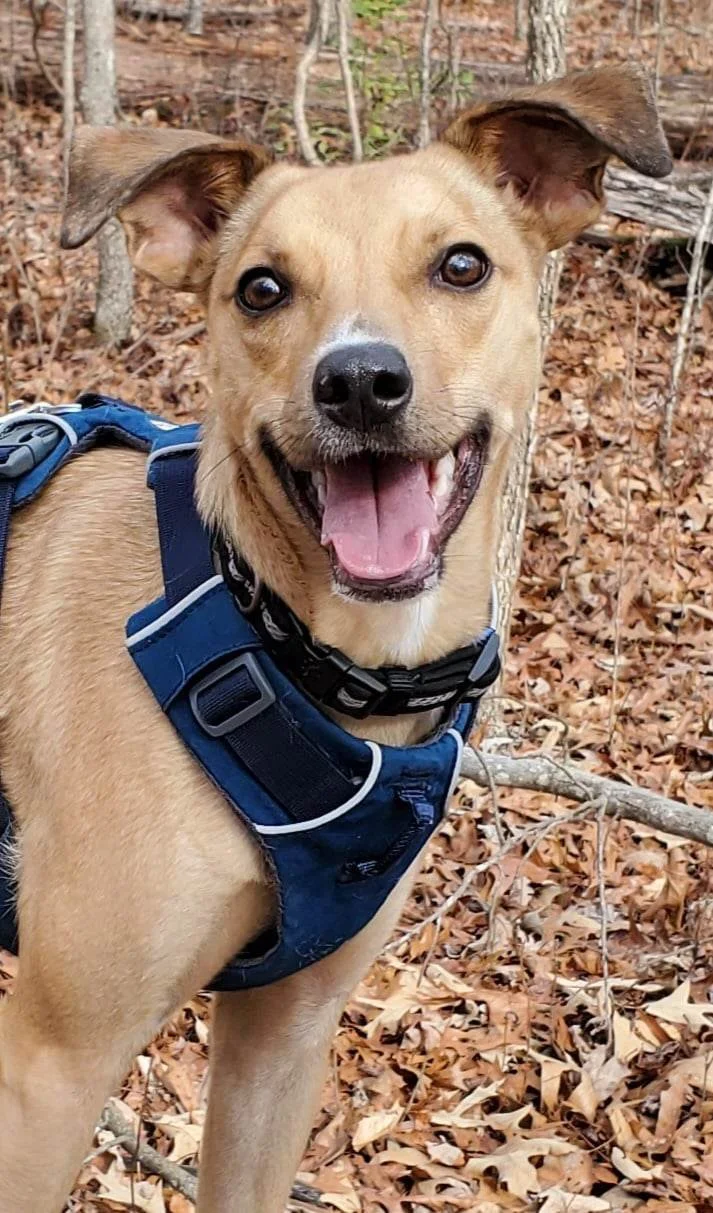
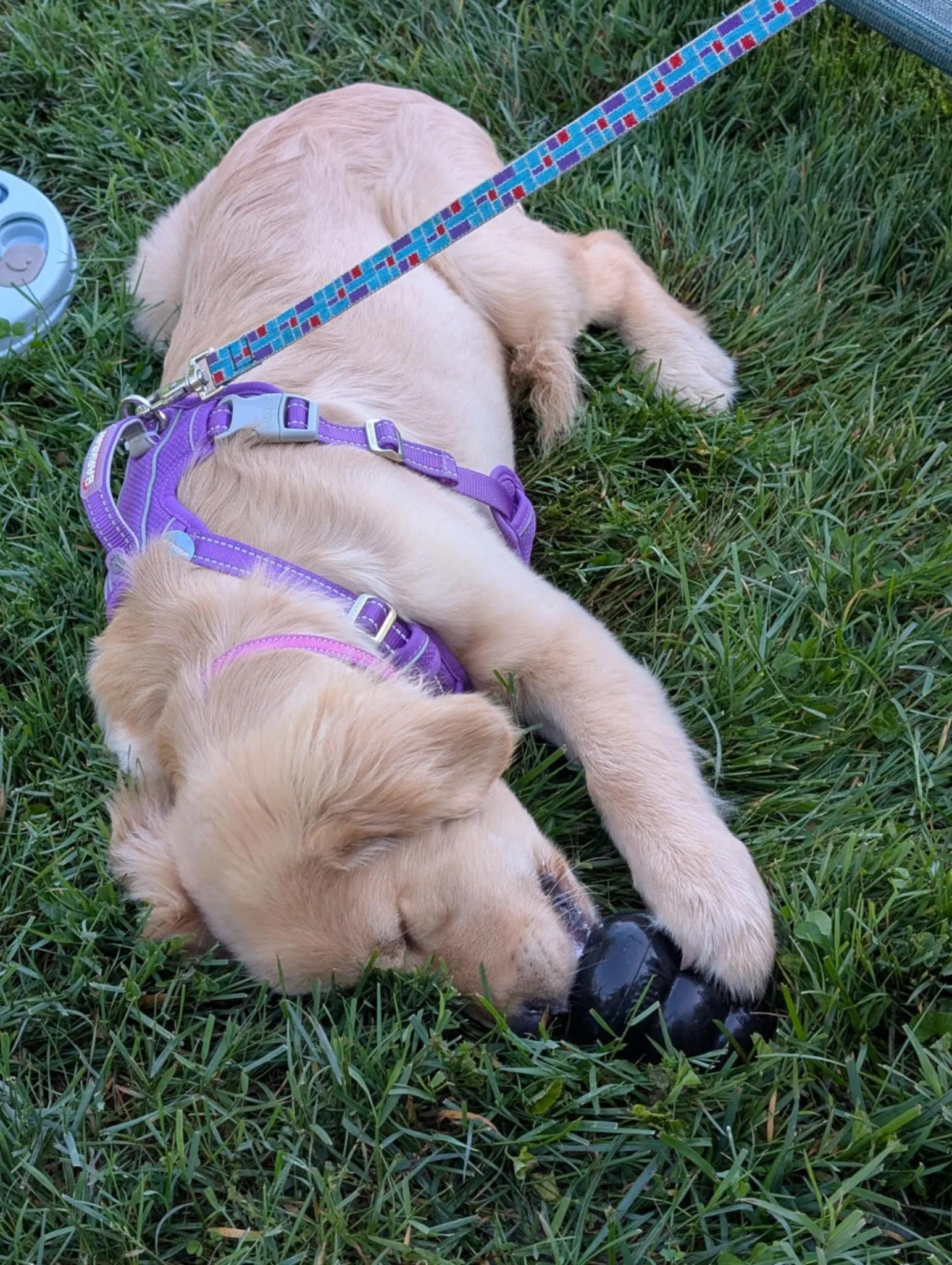
No One Can Learn When They Can't Breathe
Here is where I want to talk about the tools on the other end of the spectrum: prong collars, electronic collars, choke chains, and martingale collars. Because this isn't just about anatomy. It's about what learning actually requires.
Choke chains and martingales work by tightening around the neck when a dog pulls or is corrected. The mechanics are different, but the effect lands in the same place — pressure on a vulnerable structure, and the very real possibility that a dog in high arousal, fear, or excitement will feel like they cannot breathe. And no one can learn when they cannot breathe.
When a dog is in pain, or when they are bracing for pain, they are not in a learning state. They are in a survival state. The nervous system doesn't distinguish between a threat from a predator and a threat from the tool around their neck. It just knows that something hurts or that something frightening is happening, and it floods the body with cortisol and adrenaline accordingly.
Fight. Flight. Freeze. Fawn.
None of those states produce the kind of open, exploratory, trying-new-things brain that learning requires. And it's worse than that. The dog knows who is holding the leash. They know what comes on before that walk. The association doesn't stay with the environment or the squirrel or the other dog. It attaches to you, to the collar going on, to the walk itself. The very thing you're trying to build a positive experience around becomes a source of dread.
That's not training. That's survival management. And it costs something every single time.
Now, I want to name an exception here, because context always matters. A highly skilled dog stepping into an agility ring is a very different conversation than the dog I'm describing above. That dog has years of foundational work behind them, a deep relationship with their handler, and a nervous system that has been carefully prepared for high arousal environments. Their collar choice exists in a completely different context. Using a leash that can function as a collar and harness until the dog is released in the ring to begin their run is entirely appropriate for these highly skilled dogs.
But this conversation is about dogs who are still building their foundational skills. Dogs who are navigating the world with brains that are sometimes in next week, who are working through fear or excitement or big feelings they don't yet have the tools to regulate. For those dogs, equipment that introduces pain or restricts breathing isn't just unhelpful. It actively works against everything we are trying to build.
And as always, there is no perfect rule. We look at the dog in front of us. Every time.
The Relationship Bank Account
I think about the human-dog relationship as a bank account. Every fun training session, every well-timed food reward, every moment where your dog looked to you and found something good. Those are deposits. They build balance. They build trust. They build the kind of dog who checks in with you on walks because being near you has historically been worth it.
Every aversive experience, every shock, every pinch, every moment of feeling unable to breathe, is a withdrawal. It doesn't just fail to teach the behavior you wanted. It takes something from the account. It adds a layer of unpredictability, a shadow of "I felt safe most of the time, but sometimes something bad happens, and I never quite know when."
That unpredictability is its own kind of suffering. Dogs are incredibly good at making associations. When we use pain or fear as training tools, they make associations we never intended. With us, with walks, with the world being a place where bad things come from the person who is supposed to be their safe harbor.
We can do better. And the beautiful thing is, doing better is also more effective.
Why It's in the Contract
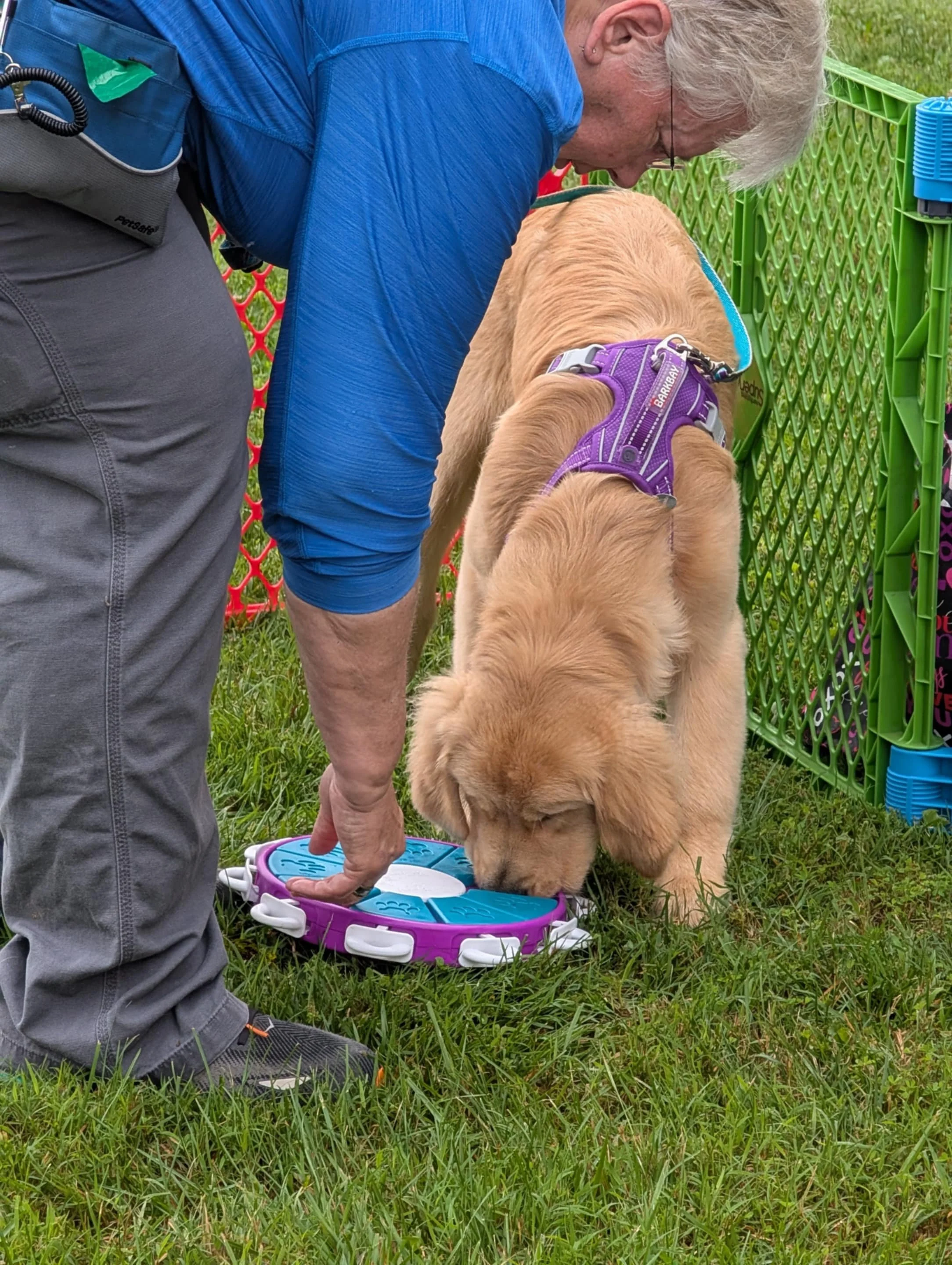
At Cool Dog Crew, harnesses are part of our training agreement, and now you know why. It's not a rule for its own sake. It's a reflection of what we actually believe about how dogs learn and what they deserve.
We can't build a relationship grounded in trust and safety if the equipment we're using introduces pain, threat or fear. The harness is the physical expression of our commitment to being the safest, most rewarding thing in our dog's world.
And that commitment? It's what makes everything else possible.
Let's Build That Value Together
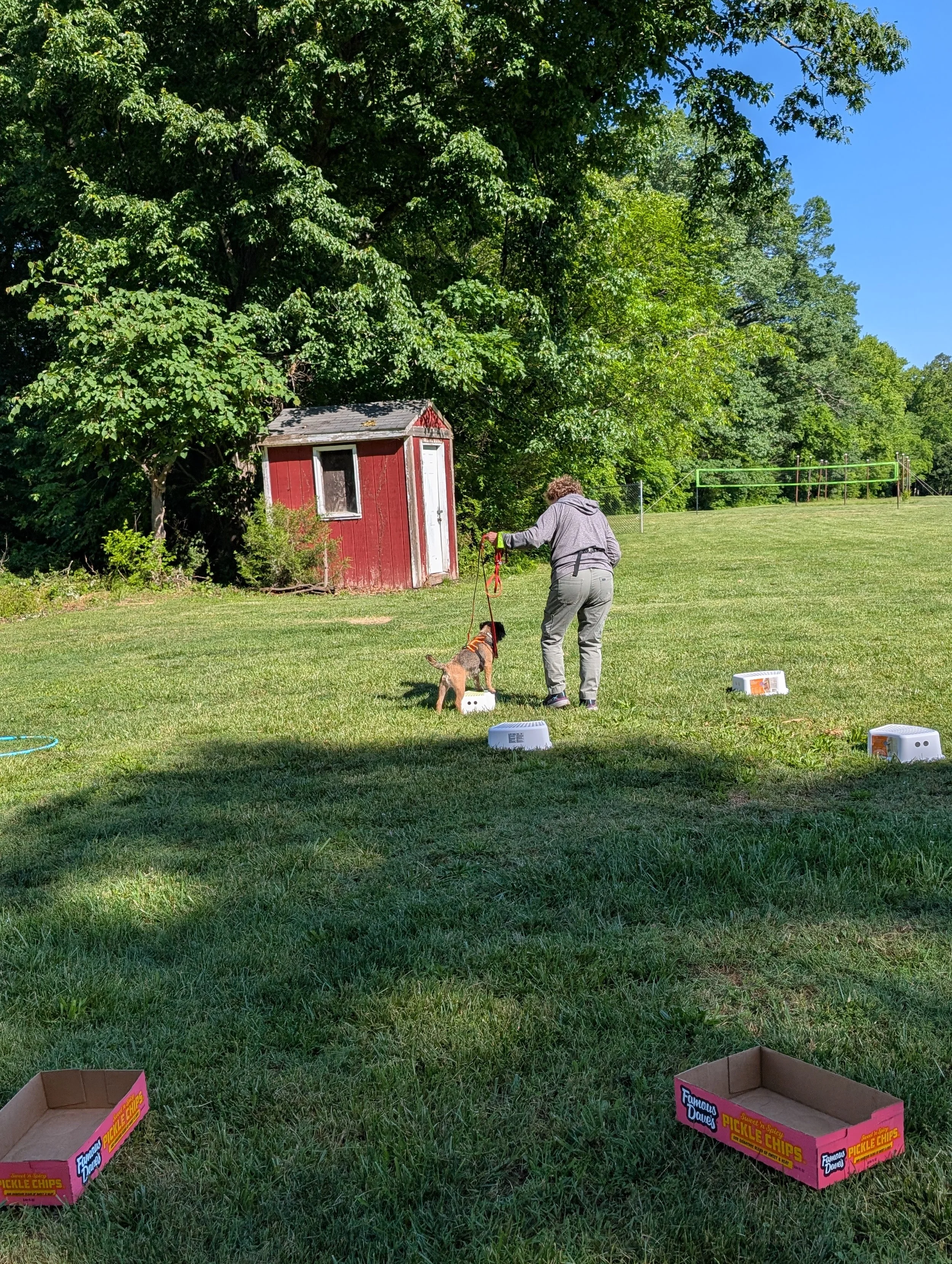
If you're reading this because you're wondering how to get your dog to stop pulling without using pressure or pain — I see you, and I promise it's possible. The games we play in class are specifically designed to build exactly this: a dog who finds you magnetic, who checks in voluntarily, who discovers that staying close to you on a walk is genuinely the best thing happening in their environment.
That's not a fantasy. That's what we're building every single Saturday morning.
Come build it with us.