
Your Dog Isn't Failing. The System Is.
Here's something nobody tells you when you bring a dog home: every single thing your dog does, they're practicing. And practice doesn't make perfect. Practice makes permanent.
That's wonderful news when your dog is practicing settling on a mat or checking in with you on a walk. It's not such wonderful news when they're practicing jumping on your guests, racing the fence line, or digging a crater under the azaleas.
Behavior that gets rehearsed gets better. Stronger. Faster. More automatic. And today I want to talk about the piece of the puzzle that so often gets skipped, because it isn't flashy and it doesn't feel like "training." I'm talking about management.
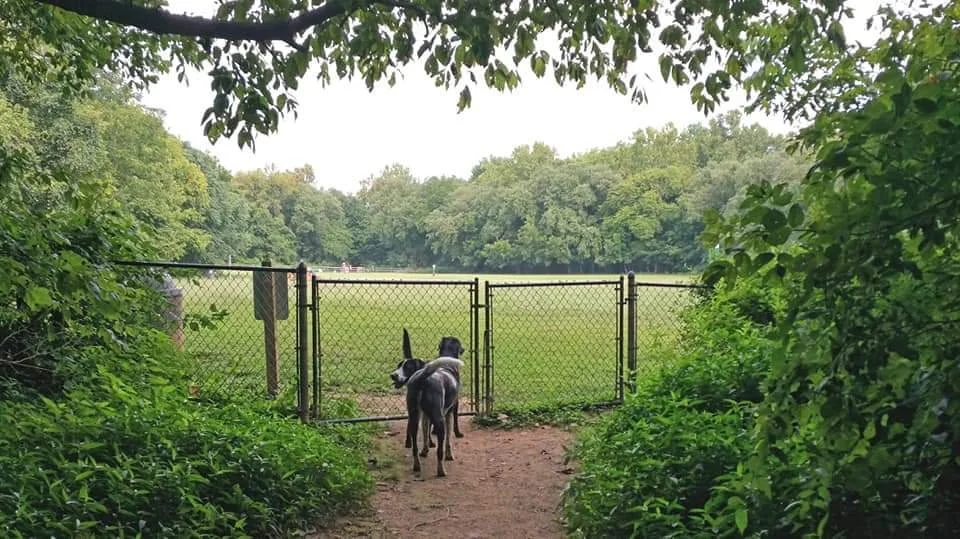
Otter would chase every sound, smell and movement of the wildlife in the park if he was off leash, so the leash stays on to prevent poor choices.
Every repetition grows your dog’s skills.
Let's say your dog fence fights with the neighbor's dog. Every morning you open the back door, your dog bolts to the fence, and the two of them go at it up and down the line. Maybe you call them back. Maybe you don't. Either way, tomorrow morning, you open the door again.
Here's what happens over time. Your dog gets better at hearing the neighbor's dog. The intensity grows. The whole thing starts earlier, first at the door, then when the jingle of the leash comes out, then from the couch the second a collar tag rattles next door. Before long your dog is on high alert inside the house, too.
That isn't your dog being stubborn or "bad." That's your dog doing exactly what any learner does with that much practice. They got really, really good at it.
Same with jumping. If every time company comes over your dog launches at them, and every time company comes over we set up that exact same scenario again, we are giving our dog another rep. And another. And another.
It's not the dog. It's the setup.
This is the part I want you to really sit with, because it's freeing once it clicks. When a behavior keeps happening, the problem isn't living inside your dog. It's living in the environment, in the system we've built around them.
And the system is something we can change today.
I say this with so much love, because I've been there with my own dogs. It's so easy to keep hoping that this time will be different. That this time they'll remember. That this time they'll come back when called. But our dogs have been telling us, clearly and consistently, that they don't have the skills for that situation yet. When we keep putting them there anyway, we're handing them a responsibility they can't carry. That's not fair to them, and honestly, it's not fair to us either.
So let's take that weight off their shoulders and put it where it belongs: on the system.
What upgrading your management looks like
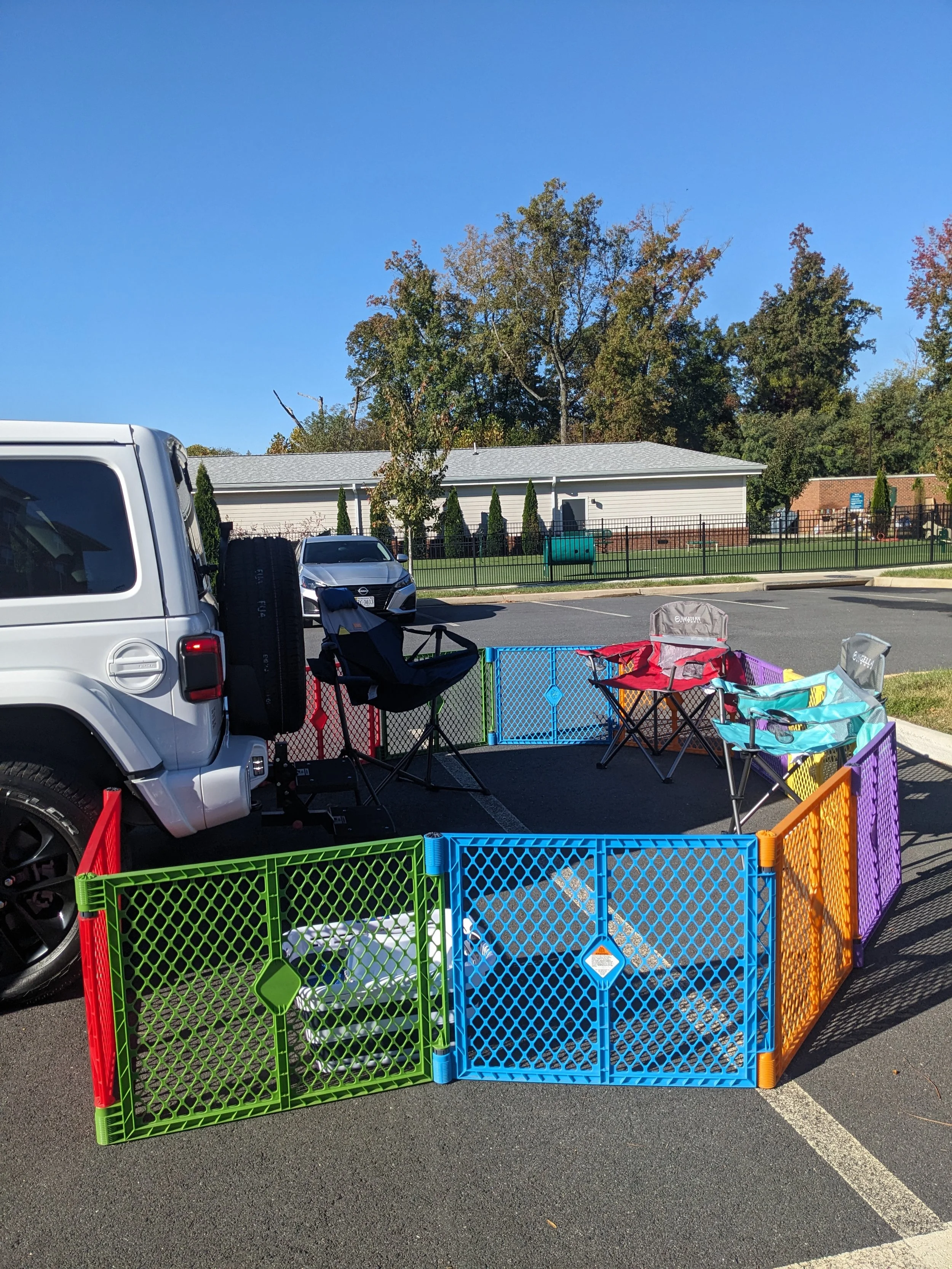
Management simply means arranging your dog's world so the unwanted behavior can't happen while you're building the skills they need. It sounds almost too simple, and that's exactly why it works.
If your dog doesn't have a reliable recall yet, they stay on a leash or a long line. If your dog chases wildlife, same thing. A leash isn't a punishment or a failure. It's a safety net that protects your dog and protects all the learning you're doing together.
If your dog fence fights, that backyard might be off the table for a while. Take them out on leash, walk them somewhere else, or change when and how they access the yard. Every morning they don't rehearse that fence routine is a morning the habit gets a little weaker.
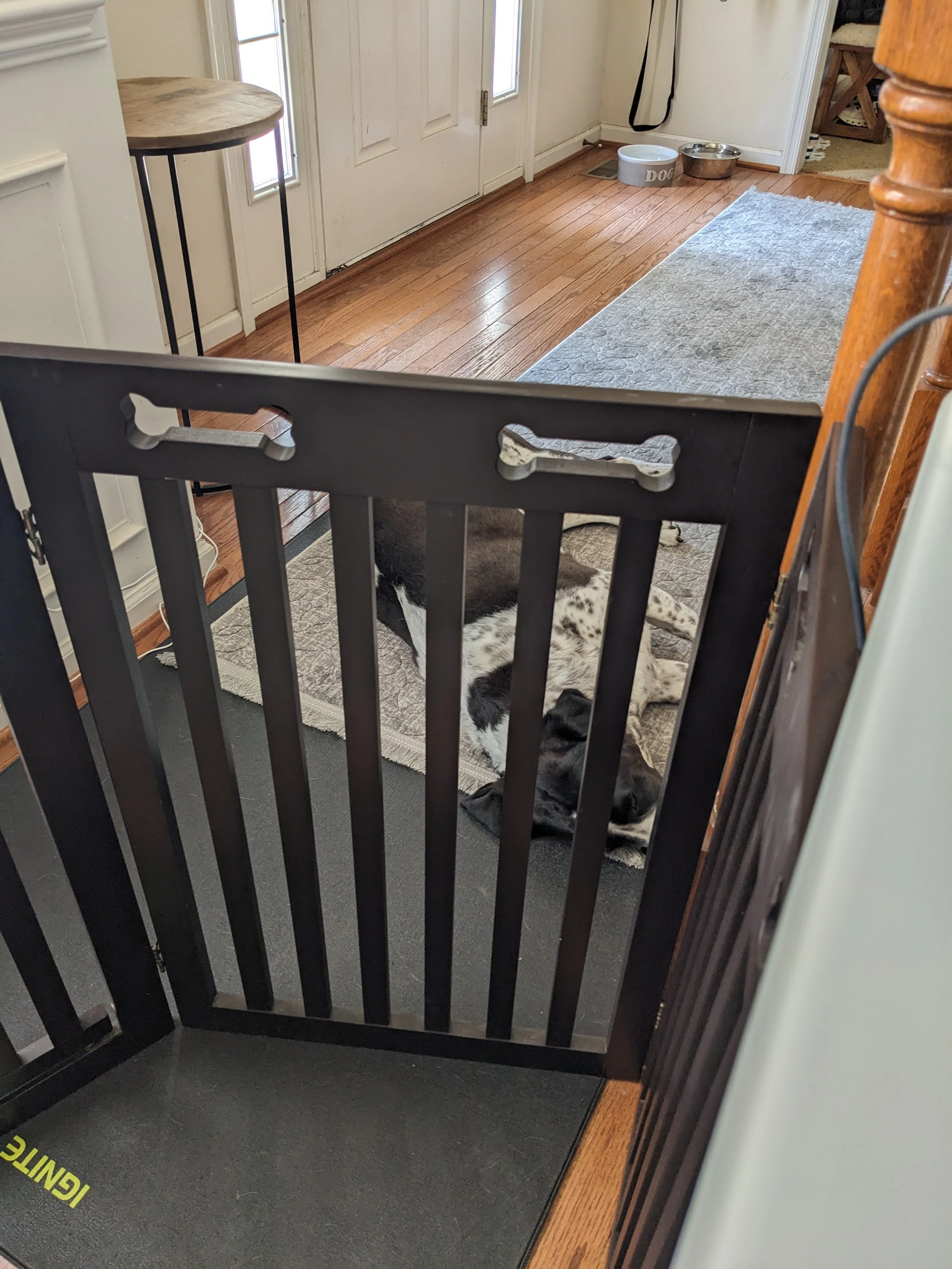
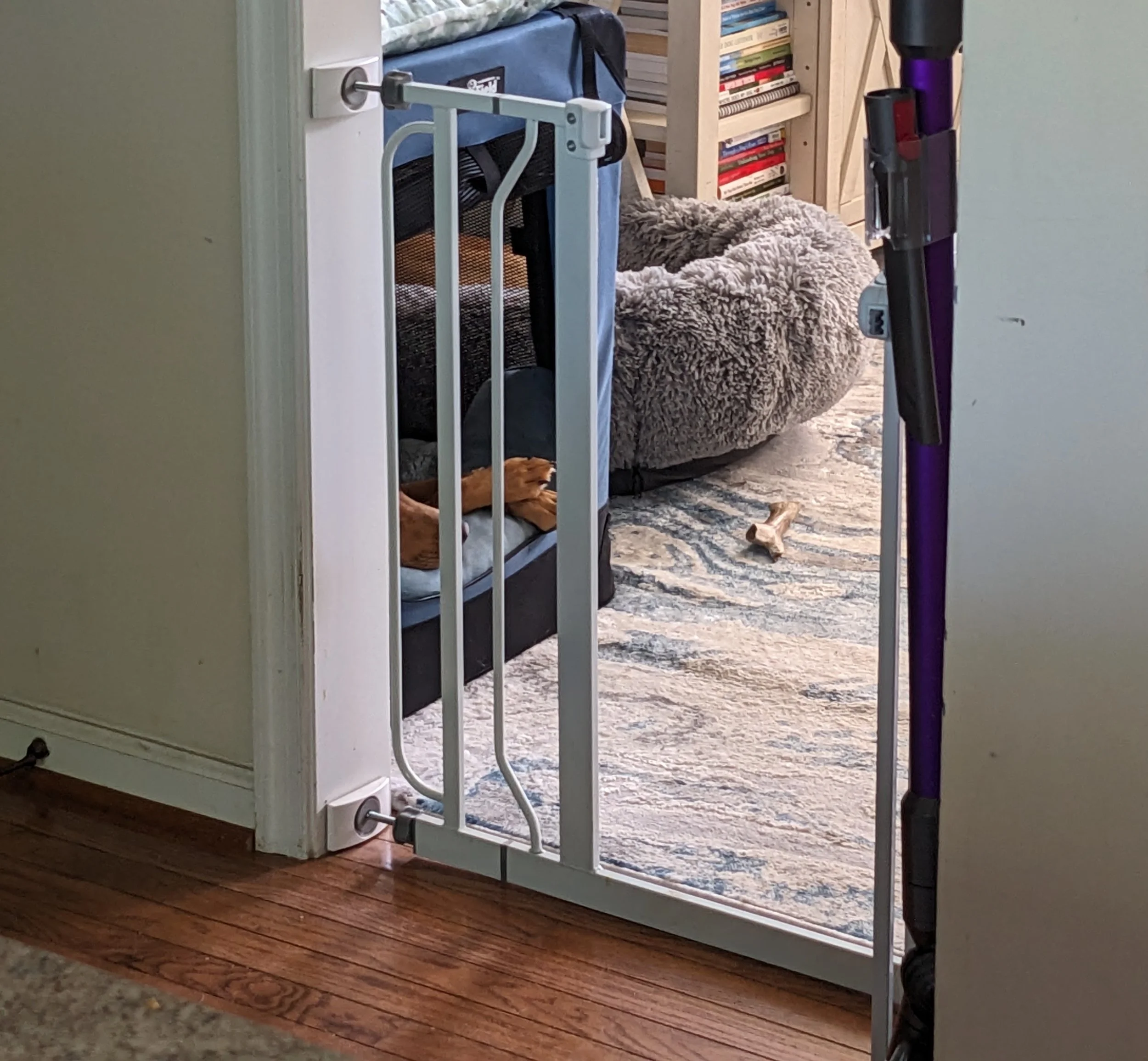
If your dog jumps on guests, they can hang out behind a baby gate, in another room with something wonderful to chew, or on leash with you when people arrive. Nobody gets knocked over, and your dog isn't practicing the jump.
If your dog steals socks from the laundry, close the laundry room door. That's it. No drama, no chasing, no lecture. The socks simply aren't available.
Upgrade every single time
Here's my favorite shortcut to results, and I really do mean shortcut: every time the unwanted behavior shows up, treat it as information. Your management had a gap, and now you know where it is. Upgrade it.
Dog slipped past the gate? Add a second barrier or change the routine at the door. Dog spotted a squirrel and bolted? Leash stays on, even in the "safe" spots. Dog heard the neighbor dog through the window? Close the blinds, add some white noise, move their favorite resting spot.
No blame, no guilt. Just "okay, that told me something," and a tweak to the system. Over and over, you tighten things up until the rehearsals stop happening. When the rehearsals stop, the behavior stops getting stronger. And that is the moment real progress becomes possible.
Management is part of the equation
Of course, management isn't the whole story. Skill building is where we give our dogs new, better options, and bucket management is how we help them stay regulated enough to actually use those skills. All three work together.
But management is the foundation. You can't build new skills on top of a behavior that's getting practiced ten times a day. Stop the rehearsal first, and everything else gets easier.
Your dog is doing the best they can with the skills they have right now. Our job is to set up a world where the right choice is the easy choice, and then watch what they can do.
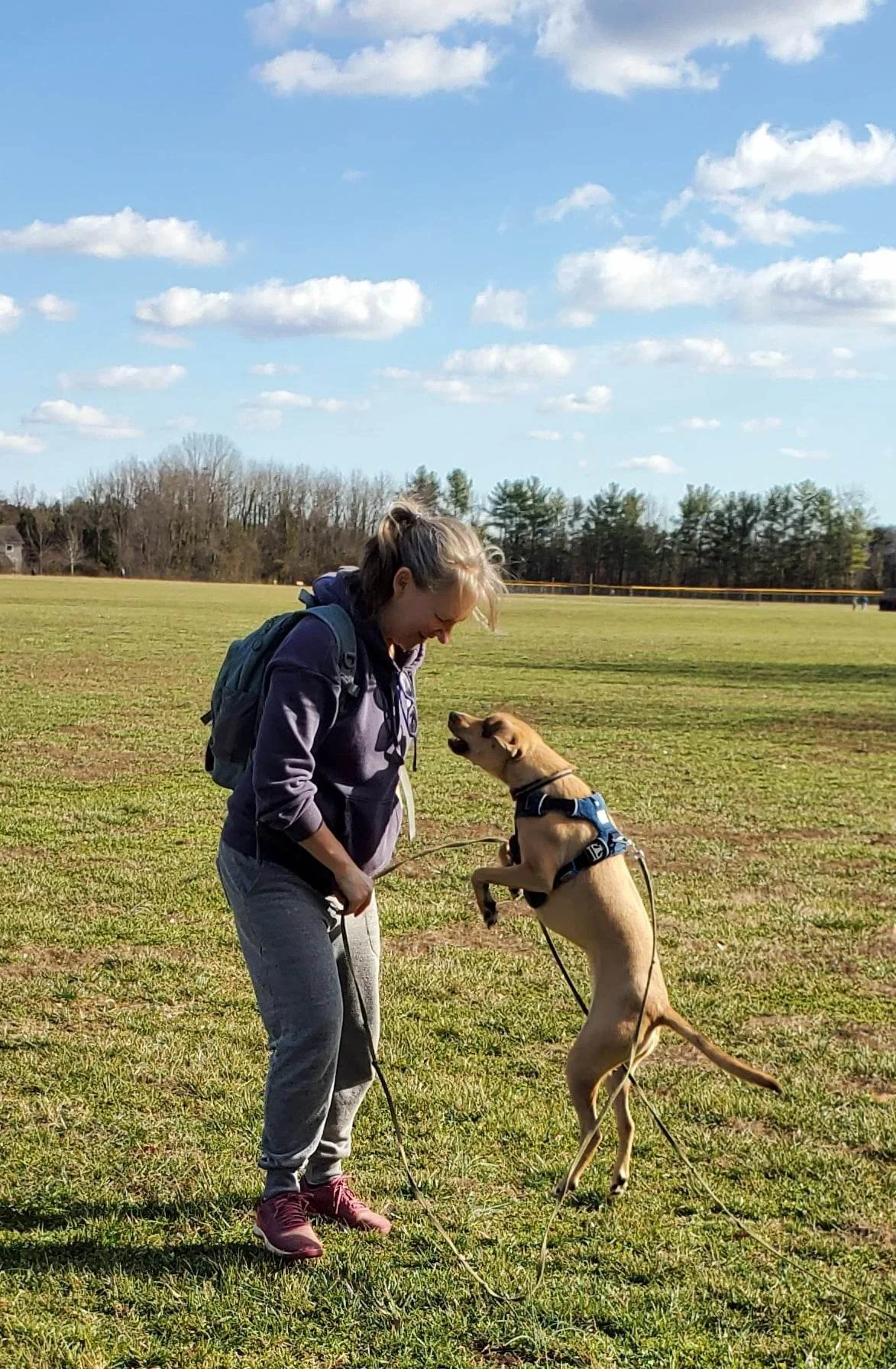
It’s so tempting to remove the leash, especially in big fields or the woods but until your dog has the proven, tested skills that are 100% reliable, don’t risk it.